


Salt, Slush, and Stopping Power: Protecting Your Brakes Around Toronto
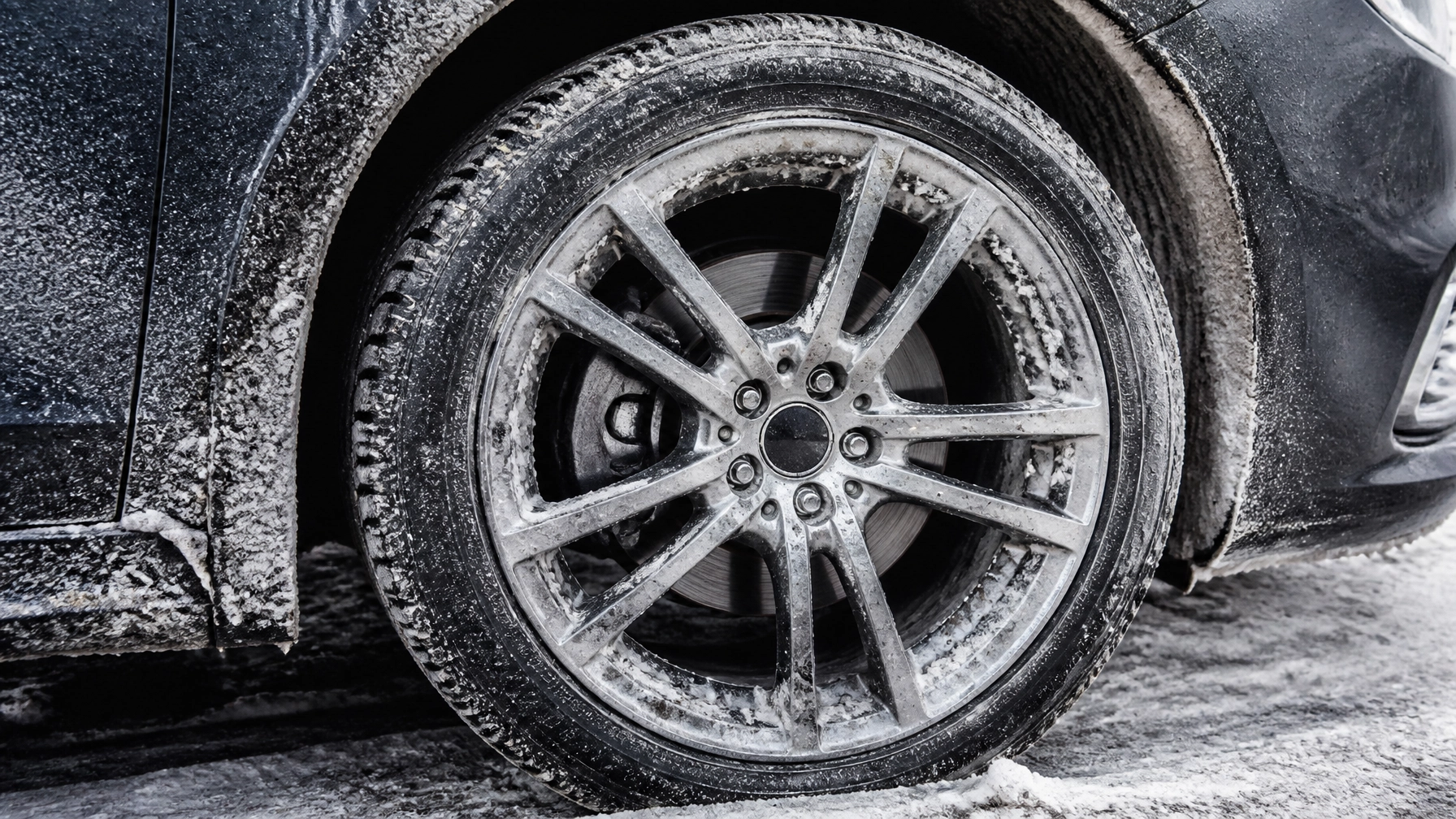
If you’ve spent even one winter driving in the Greater Toronto Area, you know the drill. You leave your house in the morning, and the Gardiner Expressway or the DVP is a sea of grey slush and white salt. While that salt is essential for keeping our roads from turning into skating rinks, it is arguably the single greatest enemy of your vehicle’s braking system.
For drivers throughout Toronto, winter isn't just about switching to winter tires; it's about a constant chemical battle happening behind your wheels. At Cochrane Automotive, we’ve been serving this city since 1972, and in those five decades, we’ve seen exactly what our unique environment does to a car. From modern high-tech sedans to the classic vintage cars we love to service, salt and slush are equal-opportunity destroyers.
In this guide, we’re going to look at how Toronto’s winter conditions eat away at your stopping power and what you can do to stay ahead of the rust.
The Chemistry of the Commute: Why Salt Hates Your Brakes
It helps to understand exactly what is happening under your car when you drive through a Toronto slush storm. Most of the road salt used in Ontario is sodium chloride, though many municipalities now use liquid brines containing magnesium chloride or calcium chloride. These chemicals are highly effective at lowering the freezing point of water, but they are also powerful electrolytes.
When salt mixes with the water from melting snow and the oxygen in our air, it creates a perfect storm for oxidation: better known as rust. Most brake components, specifically your rotors, are made of cast iron. Cast iron is incredibly strong and handles heat beautifully, but it is highly susceptible to corrosion.
In the summer, your brakes stay relatively dry. In the winter, they are constantly bathed in a salty mist. This moisture gets trapped in the small crevices of your brake system, and as long as the humidity is high, the corrosion process never stops: even when your car is parked in your driveway.
Rotors, Pads, and the "Salt Crust"
Your rotors are the large metal discs that rotate with your wheels. When you press the brake pedal, your brake pads squeeze these discs to create the friction needed to stop. In ideal conditions, this is a smooth, clean process.
However, for drivers in Toronto, the reality is often different. After a heavy salting, a thin layer of "flash rust" can form on the surface of your rotors overnight. Usually, the first few times you hit the brakes in the morning, the pads scrape this layer off. You might hear a brief grinding sound that disappears after a block or two.
The real danger comes when the salt starts to cause "pitting." This is when the corrosion eats deep into the metal of the rotor, creating an uneven surface. This not only reduces the contact area between your pad and the rotor: meaning it takes longer to stop: but it also causes that annoying vibration or "pulsing" feeling in the brake pedal. If you’re searching for a mechanic near me because your steering wheel shakes when you slow down, pitted rotors are often the culprit.
The Danger of Seized Calipers
While rusty rotors are common, seized calipers are a more serious safety concern. The brake caliper is the hydraulic clamp that holds the pads. To work correctly, it has to move freely on small metal "slide pins."
Slush and salt are experts at finding their way into the rubber boots that protect these pins. Once salt gets in, it dries out the lubricant and causes the metal to corrode and swell. Eventually, the caliper can "seize" or get stuck.
If a caliper is stuck in the "off" position, that wheel isn't helping you stop, which can cause your car to pull violently to one side during an emergency stop. If it's stuck in the "on" position, the pad stays in constant contact with the rotor. This creates massive amounts of heat, ruins your fuel economy, and can eventually lead to brake failure. If you notice your car pulling or smelling like something is burning after a drive across the city, you need to see a mechanic toronto immediately.

Brake Lines: The Hidden Vulnerability
Most drivers think about pads and rotors, but the unsung heroes of your stopping power are the brake lines. These are the steel tubes that carry hydraulic fluid from your master cylinder to each wheel. Because they run along the undercarriage of the vehicle, they are constantly blasted by salt spray from the front tires.
Corrosion on brake lines is particularly dangerous because it happens from the outside in. A line can look perfectly fine until it becomes thin enough that a sudden, hard press of the brake pedal (like when someone cuts you off on the 401) causes it to burst.
At Cochrane Automotive, a key part of our maintenance services is a visual inspection of these lines. We look for the tell-tale signs of "scaling" rust that indicates the line is nearing the end of its safe life.
Signs You Need a Professional Brake Check
Your car usually tries to tell you when the Toronto winter is winning the battle against your brakes. Here are the red flags you shouldn't ignore:
- Squealing or Grinding: While a little noise on a cold morning is common, persistent grinding means your pads are likely worn or salt has caused a "lip" of rust to form on the rotor edge.
- A "Soft" Pedal: If the brake pedal feels like you’re stepping on a marshmallow, or if it sinks to the floor at a red light, you could have a salt-corroded brake line leaking fluid.
- Pulsation: If the car shudders when you brake, your rotors are likely warped or heavily pitted by corrosion.
- The "Pop" in the Morning: If you park your car for a few days after driving in the slush and you hear a loud "pop" when you first move, your brake pads were likely seized to the rotors by rust. This is a sign that your brakes need a cleaning and lubrication service.
Staying Ahead of the Rust: Practical Tips for Toronto Drivers
You can’t stop the city from salting the roads, but you can mitigate the damage. Here is how we recommend protecting your investment:
- The Undercarriage Wash: During the winter, don't just wash the salt off the paint. Choose the car wash option that includes a high-pressure underbody spray. Getting the salt out of the wheel wells and off the brake lines is critical.
- Dry Your Brakes: After a car wash or driving through deep slush, apply your brakes firmly a few times (where safe to do so). The heat generated helps evaporate the moisture and "wipes" the rotors clean.
- Use Your Parking Brake Regularly: This keeps the rear brake mechanisms moving and prevents them from seizing up due to lack of use and salt buildup.
- Spring and Fall Inspections: Don't wait for a noise to start. A seasonal inspection and diagnostic check allows a technician to clean and lubricate your brake sliders, which can double the life of your calipers.
The Cochrane Automotive Difference
When it comes to auto repair toronto, you have a lot of choices. But not every shop understands the long-term impact of our local climate. Since 1972, we’ve built our reputation on being a high-quality dealership alternative. We use cutting-edge diagnostic technology and government-licensed technicians to ensure your vehicle is safe.
What truly sets us apart is our commitment to your peace of mind. We offer a 3-year/60,000 km warranty on parts and labor: a level of protection you won't find at most shops. We are also a CAA Approved facility, meaning we meet the highest industry standards for service and honesty. Whether you’re driving a tech-loaded modern SUV or a cherished classic, we treat your vehicle with the care it deserves.
Conclusion
Toronto's winter is tough on every part of your car, but your brakes take the brunt of the abuse. The combination of moisture, freezing temperatures, and aggressive road salt creates a chemical environment that is designed to turn metal into dust. By staying proactive with your maintenance and listening for those early warning signs, you can avoid costly repairs and, more importantly, ensure that your car stops when you need it to.
If your brakes are feeling a little "winter-worn" or if you just want the peace of mind that comes with a professional inspection, we’re here to help. At Cochrane Automotive, we provide honest, reliable service that keeps you moving safely through every season.
Don't wait until you're sliding into a stop: ensure your vehicle is winter-ready today. Contact us at Cochrane Automotive to book your brake inspection and experience the expert care that Toronto drivers have trusted for over 50 years.
Related Posts
Will Your Battery Survive a Toronto Winter? A Cold-Weather Starting Checklist
A battery can seem perfectly healthy in September and still leave you stranded on the first truly cold morning of the season. Toronto’s winter brings freezing temperatures, short trips, heavy electrical loads, and stop-and-go traffic: conditions that expose a weak…


How to Find an Honest Mechanic Near You in Toronto (Without Getting Ripped Off)
Searching for a mechanic near me can feel stressful, especially when you’re worried about paying for repairs you don’t understand: or being pressured into work your vehicle may not need. The good news is that finding an honest auto repair…
Is Your Car Ready for an EV Future? How We Service Hybrids and Electric Vehicles at Cochrane
Toronto’s roads are changing. You may already see more battery-electric vehicles, plug-in hybrids, and conventional hybrids on the Gardiner, around Etobicoke, and throughout the GTA. As charging infrastructure expands and more drivers consider making the switch, one question comes up…