


10 Reasons Your Car Won’t Start in the Toronto Heat (And How to Fix It)
We’ve all been there. You’ve spent the afternoon enjoying the sun at Woodbine Beach or navigating the humidity in downtown Toronto, only to get back to your car and find that it refuses to turn over. While we usually associate starting issues with our freezing Ontario winters, the extreme heat of a Toronto summer can be just as brutal on your vehicle.
When the mercury rises, your car’s internal components are pushed to their limits. If you’re currently stuck searching for a "mechanic near me" on your phone while sweat beads on your forehead, don't panic. At Cochrane Automotive, we’ve been helping Toronto drivers keep their cars on the road since 1972. We know exactly how our local climate affects everything from vintage classics to the latest tech-heavy SUVs.
Here are the 10 most common reasons your car won’t start when things get hot, and what you can do about it.
1. Battery Heat Stress
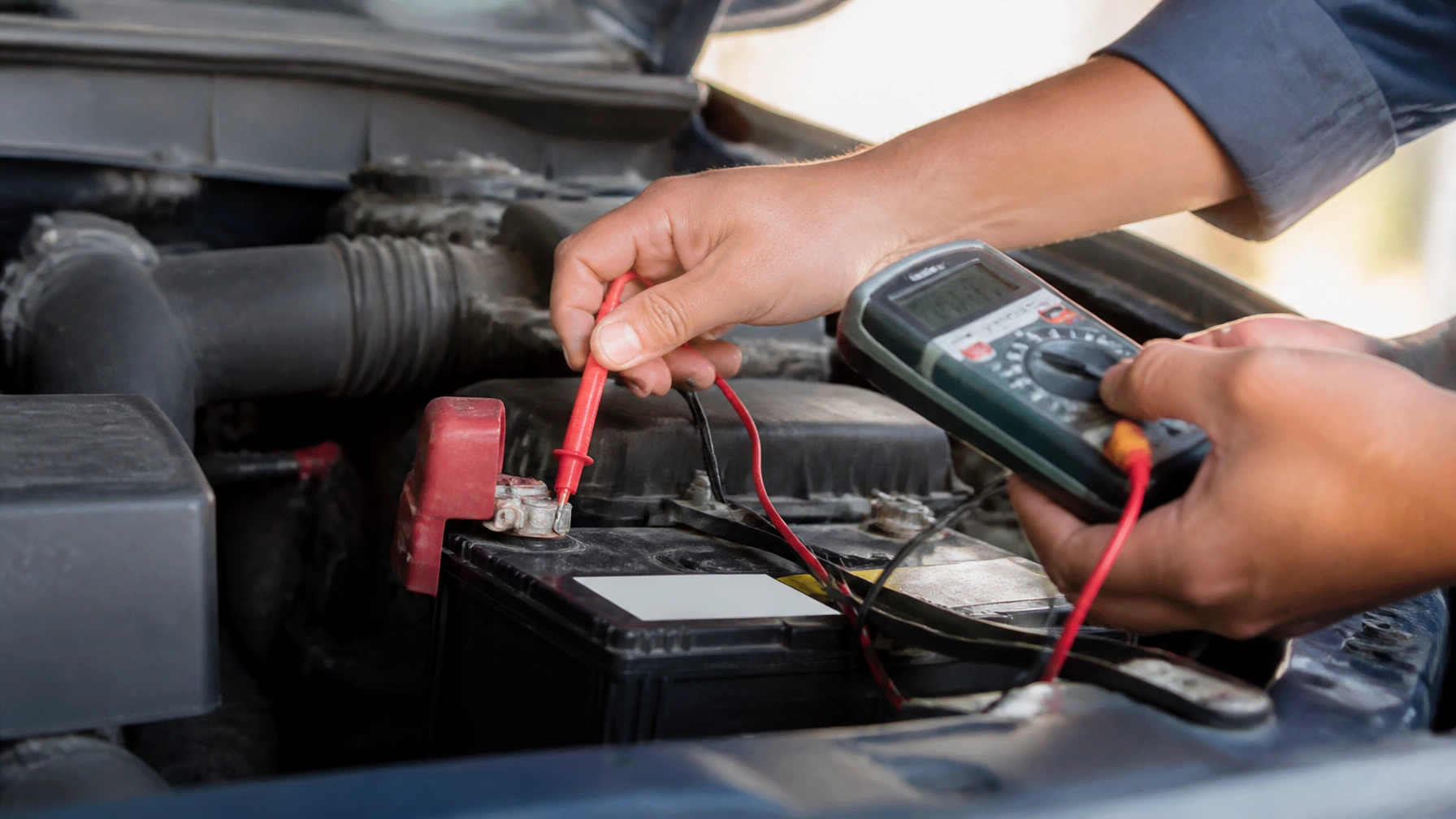
Most people think the cold is the biggest battery killer, but heat is actually much more damaging. High temperatures accelerate the chemical reactions inside your battery, which can lead to overcharging and internal corrosion. Furthermore, the liquid electrolyte inside the battery can evaporate in extreme heat, leaving the plates exposed and significantly reducing its lifespan.
The Fix: If you hear a slow crank or just a clicking sound, your battery is likely struggling. Have a professional auto repair toronto specialist test your battery's voltage and health. Keeping the terminals clean of corrosion: which builds up faster in high humidity: is also a great preventative step.
2. Vapor Lock
Vapor lock occurs when the fuel in your fuel lines turns from a liquid into a gas because of extreme heat. Since your car's fuel pump is designed to move liquid, it can't effectively push gas through the lines to the engine. This is particularly common in older vehicles but can happen to modern cars parked in direct sunlight for extended periods.
The Fix: If you suspect vapor lock, let the engine cool down for 20 to 30 minutes in the shade. Pumping the gas pedal (in older carbureted cars) or simply waiting for the pressure to equalize often solves the issue. For a permanent solution, we can inspect your fuel lines and ensure they are properly shielded from engine heat.
3. Starter Motor "Heat Soak"
Your starter motor is located deep within the engine bay, often near the exhaust manifold. On a hot Toronto afternoon, the metal components inside the starter can expand due to "heat soak." This increases electrical resistance, making it much harder for the motor to turn the engine over.
The Fix: You’ll often find that the car starts fine when the engine is cold but refuses to budge after a quick stop at the grocery store. If this happens frequently, it’s a sign the starter is nearing the end of its life. Our technicians can perform advanced diagnostics to see if the starter needs replacing before it leaves you stranded.

4. Failing Fuel Pump
A fuel pump that is already on its last legs will often give up the ghost during a heatwave. The pump relies on the fuel itself to stay cool. If you’re driving around Toronto with a near-empty tank in 30-degree weather, the pump can easily overheat and fail to deliver the pressure needed to start the car.
The Fix: Try to keep your fuel tank at least a quarter full during the summer to help keep the pump submerged and cool. If the car cranks but won't "catch," the fuel pump might be the culprit.
5. Clogged Air Filters
Think of your air filter as your car's lungs. In the summer, Toronto's air can be filled with dust, pollen, and construction debris. A clogged filter restricts the air needed for the combustion process. In high heat, the air is already less dense, meaning your engine has to work even harder to breathe.
The Fix: Checking your air filter is one of the easiest parts of comprehensive car maintenance. If it looks dark and filled with gunk, it’s time for a new one.
6. Sensors Reacting to Temperature
Modern cars are packed with sensors like the Crankshaft Position Sensor or the Engine Coolant Temperature Sensor. These components are sensitive to heat. If a sensor malfunctions because it’s too hot, it may send incorrect data to the car’s computer (ECU), which then prevents the engine from starting as a safety precaution.
The Fix: If your "Check Engine" light is on, don't ignore it. We use cutting-edge diagnostic technology to pinpoint exactly which sensor is acting up, saving you the headache of guessing which part to replace.
7. Engine Oil Viscosity
In extreme heat, engine oil can become too thin (lose its viscosity). If the oil is old or the wrong grade for the season, it may not provide enough lubrication for the engine to spin freely during startup. This is especially true if you are overdue for an oil change.
The Fix: Stick to your recommended maintenance schedule. In a climate like ours: where we swing from -30°C to +30°C: using a high-quality synthetic oil can provide much better protection across all temperatures.
8. Humidity and Electrical Corrosion
Toronto isn't just hot; it's humid. That moisture in the air, combined with the leftover salt from our winter roads, creates a perfect environment for corrosion. Corroded electrical grounds or fuse box connections can create intermittent starting issues that seem to get worse when the air is thick and sticky.
The Fix: A quick visual inspection of your battery terminals and ground wires can reveal a lot. If you see white or green powdery buildup, it's time for a professional cleaning.
9. Cooling System Pressure Issues
If your car recently overheated, it might not start again until the temperature drops. Modern vehicles have protective logic that prevents the ignition from firing if the coolant temperature sensor reports a dangerously high reading. This is designed to save your engine from a catastrophic failure, like a warped head or a blown head gasket.
The Fix: Check your coolant levels regularly. If you notice a sweet smell or a puddle under your car, you likely have a leak. Proper fluid checks are your first line of defense against summer breakdowns.
10. The Alternator is Failing
While the battery starts the car, the alternator keeps it running and recharges the battery. Heat increases the internal resistance of the alternator's copper windings. If it’s already weak, a hot day might be the final straw, leaving your battery with insufficient charge to start the engine next time you turn the key.
The Fix: If your headlights seem dim or your interior lights flicker, your alternator might be struggling. We can test your entire charging system to ensure every component is pulling its weight.
Trust the Toronto Experts
Dealing with a car that won't start is frustrating, especially when the Toronto sun is beating down on you. At Cochrane Automotive, we pride ourselves on being a true dealership alternative. Whether you’re driving a vintage classic or a brand-new tech-loaded vehicle, our government-licensed technicians have the expertise to get you back on the road quickly and affordably.
We understand the value of peace of mind, which is why we offer an industry-leading 3-year/60,000 km warranty on parts and labor. As a CAA Approved facility, we meet the highest standards of service and integrity in the industry.
Don't let the heat get the best of your vehicle. If your car is struggling to start or if you just want to ensure it's ready for the next heatwave, stop by and see us. We’ve been keeping Toronto moving for over 50 years, and we’re ready to help you too.
Need a hand getting your car summer-ready? Contact Cochrane Automotive today to book your inspection or repair!
Related Posts
Will Your Battery Survive a Toronto Winter? A Cold-Weather Starting Checklist
A battery can seem perfectly healthy in September and still leave you stranded on the first truly cold morning of the season. Toronto’s winter brings freezing temperatures, short trips, heavy electrical loads, and stop-and-go traffic: conditions that expose a weak…


How to Find an Honest Mechanic Near You in Toronto (Without Getting Ripped Off)
Searching for a mechanic near me can feel stressful, especially when you’re worried about paying for repairs you don’t understand: or being pressured into work your vehicle may not need. The good news is that finding an honest auto repair…
Is Your Car Ready for an EV Future? How We Service Hybrids and Electric Vehicles at Cochrane
Toronto’s roads are changing. You may already see more battery-electric vehicles, plug-in hybrids, and conventional hybrids on the Gardiner, around Etobicoke, and throughout the GTA. As charging infrastructure expands and more drivers consider making the switch, one question comes up…