If you drive in Ontario, you’ve probably heard about the Ontario Safety Standards Certificate. Whether you’re buying a used car, transferring ownership, or just ensuring your vehicle is road-ready, this certificate is essential. Understanding what it involves can save you time, money, and stress at the inspection station. At Cochrane Automotive in Toronto, ON, we guide our customers through the process every day, helping them pass inspections efficiently while keeping their vehicles safe on the road.
Here’s everything you need to know about the Ontario Safety Standards Certificate, what it checks, the most common fail items, and practical steps to pass without hassle.
What Is the Ontario Safety Standards Certificate?
The Ontario Safety Standards Certificate, often called a “safety certificate,” is an official document that verifies your vehicle meets the minimum safety standards set by the province. This certificate is required in several situations:
- When selling or buying a used vehicle in Ontario
- To register or renew a vehicle’s registration after ownership transfer
- For commercial vehicles needing proof of roadworthiness
Think of it as a snapshot of your vehicle’s condition, making sure it’s safe to drive and meets legal requirements. A safety certificate does not guarantee your car is problem-free—it only confirms that the components evaluated meet the minimum safety standards.
What Does a Safety Certificate Check?
Many drivers aren’t sure what a safety certificate inspection in Toronto, ON actually involves. During the inspection, a licensed mechanic will check your vehicle from top to bottom, focusing on key safety systems. The Ontario safety standards certificate checklist includes:
- Brakes:
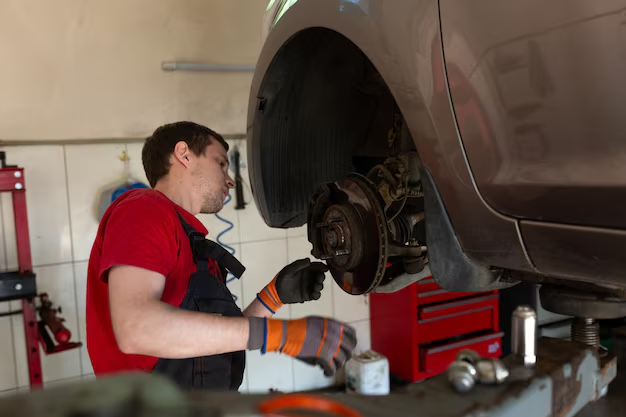
Mechanics inspect the brake system for wear, leaks, and proper operation. This includes the brake pads, rotors, calipers, and brake lines. Any issues here are serious, as braking is critical for road safety.
- Suspension:
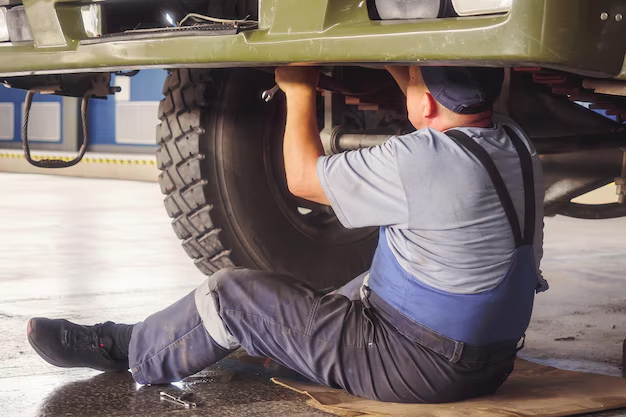
The suspension system supports your car and ensures smooth handling. Inspectors check shocks, struts, springs, and other components for wear or damage. A faulty suspension can affect steering and vehicle stability.
- Steering Components:
Steering must be responsive and free from excessive play. Components like the steering rack, tie rods, and ball joints are examined.
- Tires and Wheels:
Inspectors look for adequate tread depth, even wear, and properly inflated tires. Wheels and rims are also checked for cracks or significant damage.
- Lights and Electrical Systems:
All exterior lights, including headlights, brake lights, turn signals, and hazard lights, are tested. Dashboard warning lights are also checked to ensure no critical issues are present.
- Windshield and Wipers:
Visibility is a key safety factor. Inspectors evaluate the windshield for cracks, chips, and damage. Wipers and washers must function correctly.
- Seat Belts and Safety Equipment:
Seat belts are tested for proper operation and condition. Other safety features, such as airbags, are also visually inspected.
- Exhaust and Emissions:
The exhaust system is checked for leaks, excessive noise, and proper mounting. While emissions are not always tested for a standard safety certificate, a failing exhaust can impact overall inspection results.
- Other Structural Components:
The inspector will also check the frame, undercarriage, and general condition of the vehicle to ensure it’s free from serious rust, cracks, or damage that could compromise safety.
By the end of the inspection, you’ll know if your car meets the provincial standards or if repairs are needed before a safety certificate can be issued.
Common Safety Inspection Failures
Even well-maintained vehicles can fail a safety inspection. Knowing the most frequent trouble spots helps you prepare ahead of time. Here are some of the common safety inspection failures in Ontario:
- Brakes Fail Safety Inspection:
Worn brake pads, thin rotors, leaking brake lines, or uneven braking are top reasons cars fail. Ignoring brake noise or vibration can cost you your certificate and compromise your safety.
- Suspension Fail Safety Inspection:
Damaged shocks, struts, or worn control arms are frequent culprits. A failing suspension can make your car feel unstable, especially at higher speeds or over uneven roads.
- Lights Fail Safety Inspection:
Burnt-out headlights, brake lights, or turn signals are common fails. Even a cracked lens or foggy light cover can lead to failure.
- Tires and Wheels:
Tires with insufficient tread or visible damage often cause failures. Misaligned or bent wheels can also be flagged.
- Windshield or Wipers:
Cracks that interfere with driver visibility or ineffective wipers can trigger a fail. Even minor windshield chips can result in a failed inspection if they are directly in the driver’s line of sight.
- Seat Belts and Safety Equipment:
Missing or frayed seat belts are a safety red flag. Inspectors also check that latches and retractors are working properly.
Being aware of these frequent issues allows you to proactively inspect your vehicle before booking an appointment, reducing the risk of failing and having to pay for multiple inspections.
How to Pass Your Safety Inspection
Passing a safety certificate inspection in Toronto, ON doesn’t have to be stressful. With a little preparation, you can increase your chances of a smooth inspection. Here’s what to do:
- Perform a Pre-Inspection Check:
Walk around your vehicle and check all the items listed in the Ontario safety standards certificate checklist. Look for worn tires, burned-out bulbs, leaks, or visible suspension issues.
- Address Brake and Suspension Issues:
If you hear squealing brakes or feel vibrations while braking, have a professional inspect and repair them. Check the suspension for worn components or uneven ride height.
- Check Lights and Electrical Systems:
Replace any burned-out bulbs, ensure all lights are aligned correctly, and confirm that dashboard warning lights are off.
- Inspect Tires and Wheels:
Verify tread depth, check for cracks, and make sure tire pressure is correct. Rotate tires if uneven wear is present.
- Clean or Replace Windshield and Wipers:
Remove any obstructive stickers or debris on the windshield. Replace wipers if they leave streaks or fail to clear water effectively.
- Test Seat Belts and Safety Equipment:
Make sure all seat belts latch securely and retract properly. Confirm that child safety locks and airbags appear functional.
- Fix Minor Mechanical Issues:
Address exhaust leaks, loose components, or minor underbody damage before your appointment. Even small repairs can prevent inspection failures.
- Choose a Trusted Repair Shop:
Taking your car to a reputable, CAA-approved automotive repair service centre like Cochrane Automotive ensures that a licensed technician will perform a thorough check, fix any issues, and help you pass the inspection confidently.
By addressing these items ahead of time, you can save both money and stress, making the inspection process straightforward and worry-free.
Safety Certificate Cost in Ontario
Many drivers wonder about the safety certificate cost in Ontario. Prices vary by location and the level of inspection required, but typically, a standard safety inspection ranges from $100 to $200. Additional repairs are extra, depending on what your vehicle needs to pass.
At Cochrane Automotive, we offer transparent pricing and can provide a detailed estimate before performing any repairs. This approach helps you plan for the inspection cost without surprises and ensures your car meets safety standards efficiently.
Getting a safety certificate is more than just a legal requirement. It’s a way to confirm that your car is roadworthy, your brakes and suspension are reliable, your lights are functioning, and your family is safe while driving. Many drivers find that a pre-inspection at a trusted shop like Cochrane Automotive prevents common failures and keeps their vehicles in top condition.
If your vehicle is due for a safety inspection or you’re planning to sell or transfer ownership, take the stress out of the process. Schedule an appointment with our team in Toronto today. We’ll inspect your car, fix any issues, and help you secure your Ontario Safety Standards Certificate efficiently.