


Understanding Your Car’s Electrical System: From Fuses to Alternators

Your car is more than a means to get from point A to point B. It is a complex machine packed with systems that keep it running safely and efficiently. One of the most critical—and often overlooked—systems is your car’s electrical system. From powering your headlights to charging your battery, the electrical system ensures your vehicle operates smoothly every day. Understanding how it works can help you identify problems early, avoid costly repairs, and keep your car reliable for years to come.
The Heart of the Electrical System: The Battery
At the core of your car’s electrical system lies the battery. This component stores energy and provides the power needed to start the engine. Without a fully charged and healthy battery, your car simply won’t start. Batteries operate on chemical reactions, usually involving lead and acid, which generate electricity. While they are designed to last several years, batteries can wear out due to age, extreme temperatures, or electrical drains.
A few signs that your battery might be struggling include slow engine cranking, dimming lights, or a check engine light that comes on unexpectedly. Regular testing and maintenance, especially before the winter months, can prevent an inconvenient breakdown on the road.
Fuses: Small Components with a Big Job
Fuses might seem insignificant, but they are vital for protecting your vehicle’s electrical circuits. Essentially, a fuse is a safety device that prevents electrical components from drawing too much current. When a circuit overloads, the fuse blows, cutting off power to prevent damage or fire.
Every car comes equipped with a fuse box, usually located under the dashboard or in the engine compartment. Modern vehicles have multiple fuse boxes protecting everything from headlights and windshield wipers to the radio and power windows. Checking fuses regularly or replacing blown fuses is a simple but essential step to keep your car’s electronics functioning properly.
Alternators: The Power Generators
While the battery stores energy, it is the alternator that keeps it charged. The alternator generates electricity by converting the mechanical energy from the engine into electrical power. This electricity powers your car’s electrical systems while the engine is running and recharges the battery for the next start.
Signs of alternator trouble include flickering or dimming lights, a dead battery after a short drive, or unusual noises from the engine area. Because the alternator is essential for keeping your car powered, it’s important to address any issues immediately to prevent a breakdown.
Wiring and Connections: The Electrical Highways
Think of your car’s wiring as the highways that carry electricity from one component to another. Like any road, wires can wear down over time due to heat, vibration, or corrosion. Loose or damaged connections can cause a variety of issues, from intermittent electrical failures to complete system shutdowns.
Regular inspection of wiring, particularly in older vehicles, can prevent surprises like a non-functioning power window or a dashboard warning light that won’t turn off. If you notice frayed wires, exposed insulation, or burnt connectors, it’s time to have a professional take a look.
Relays: The Switches You Don’t See
Relays act as electrically operated switches that control high-power components with a low-power signal. For example, when you turn on your headlights, a relay ensures that enough current reaches the lights without overloading the switch on your dashboard.
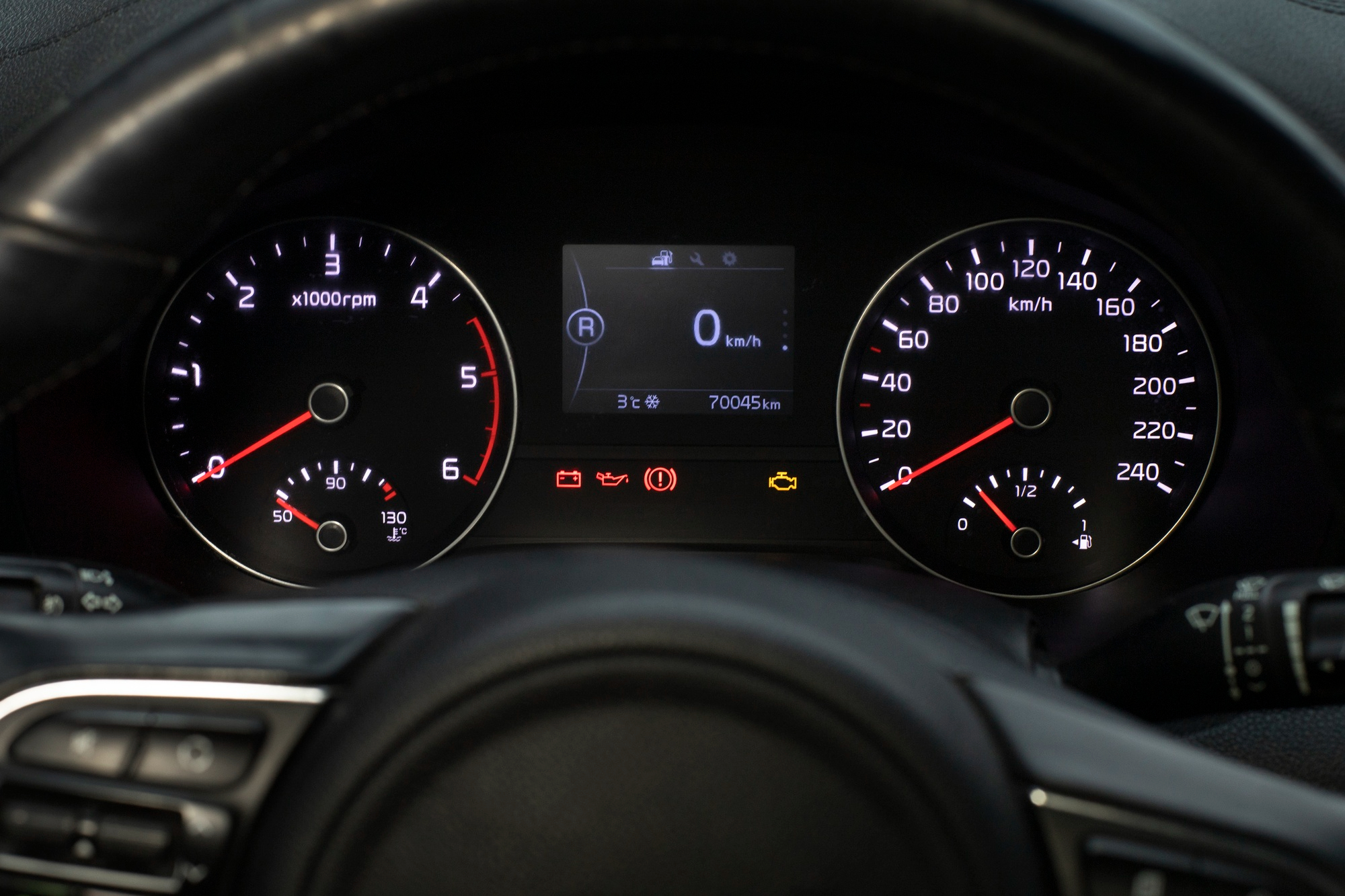
A failing relay can produce symptoms like a component that works intermittently or doesn’t activate at all. Since relays are inexpensive and easy to replace, catching a failing one early can save a lot of frustration.
Sensors and Computer Systems: Modern Electrical Complexity
Today’s vehicles rely heavily on computer systems to monitor and manage every function. Sensors measure variables like temperature, speed, and battery voltage, sending signals to the engine control unit (ECU) or other modules. This network of sensors and computers ensures optimal performance, fuel efficiency, and safety.
Electrical problems in these systems can be harder to diagnose, as a single failing sensor may trigger multiple warning lights or affect seemingly unrelated components. This is where professional diagnostic tools become invaluable, allowing trained technicians to pinpoint the issue quickly and accurately.
Common Electrical Problems You Might Encounter
Car owners encounter a variety of electrical issues, some minor and others more serious. Common problems include:
- Dead Battery: Often caused by leaving lights on or a failing alternator.
- Blown Fuses: Usually due to electrical overloads or short circuits.
- Dim or Flickering Lights: Could indicate battery or alternator issues.
- Malfunctioning Electronics: Problems with power windows, radio, or dashboard systems often trace back to wiring, fuses, or relays.
- Warning Lights: Persistent check engine or battery lights signal underlying electrical issues that need attention.
Recognizing these signs early and addressing them promptly can prevent costly repairs and keep your car safe to drive.
Maintenance Tips to Keep Your Electrical System Healthy
Maintaining your car’s electrical system doesn’t have to be complicated. A few simple practices can go a long way:
- Regular Battery Checks: Test your battery’s voltage and replace it every three to five years, or sooner if it shows signs of weakness.
- Inspect Fuses: Check your fuse box periodically for blown fuses and replace them as needed.
- Clean Connections: Corroded terminals reduce electrical flow. Clean and tighten battery and ground connections regularly.
- Monitor Warning Lights: Never ignore dashboard alerts. They are your car’s way of telling you something needs attention.
- Professional Diagnostics: Modern cars have complex electrical networks. When in doubt, have a certified technician diagnose the problem.
Why Professional Attention Matters
Electrical issues are not only inconvenient but can also compromise safety. While some minor problems, like replacing a blown fuse, can be handled at home, many electrical repairs require specialized tools and expertise. Professional technicians have the experience to identify hidden issues, prevent further damage, and ensure that all systems operate as designed.
At Cochrane Automotive, we understand how crucial a reliable electrical system is to your vehicle. Our certified technicians service all makes and models, using the latest diagnostic equipment to quickly identify problems and get you back on the road. Whether it’s a dead battery, alternator replacement, or complex electronic diagnostics, our team ensures your car runs safely and efficiently.
Keeping your car’s electrical system in top condition protects your investment, improves reliability, and gives you peace of mind. The next time your battery struggles to start the engine or a warning light pops up on your dashboard, don’t wait for a breakdown. Schedule a professional inspection, and take advantage of our courtesy vehicles to keep your day moving smoothly.
Your car relies on electricity for virtually every function, from basic ignition to advanced safety systems. Understanding the key components—batteries, fuses, alternators, wiring, and sensors—can help you spot trouble early and prevent costly repairs. With regular maintenance and professional support, your car’s electrical system will continue to keep you safe, powered, and ready for every journey.
Related Posts

Pothole Damage Checklist: Bent Rims, Sidewall Bubbles, Alignment Issues (and When It’s Unsafe)
Toronto roads can be rough on your vehicle. Even the most careful drivers are likely to encounter potholes at some point. While a sudden thud under your tires might seem minor, potholes can lead to serious vehicle damage that isn’t…


Ontario Safety Standards Certificate: What It Checks, Common Fail Items, and How to Pass
If you drive in Ontario, you’ve probably heard about the Ontario Safety Standards Certificate. Whether you’re buying a used car, transferring ownership, or just ensuring your vehicle is road-ready, this certificate is essential. Understanding what it involves can save you…

Keeping Your Ride Smooth: Ball Joint Replacement & Suspension Services in Toronto
Toronto is a bustling, dynamic city with a mix of smooth highways, busy streets, and pothole-prone neighborhoods. Navigating this urban landscape safely and comfortably requires more than just a reliable vehicle—it requires a suspension system in top condition. Central to…